

Where Should You Live in Italy? How to Choose the Right Region for Your Profile
Choosing where to live in Italy is not a lifestyle question — it is a structural one. The region determines your cost of living, healthcare access, tax regime eligibility, and administrative experience. Northern, central, and southern Italy function as three distinct environments with entirely different trade-offs. Here is how to evaluate them against your specific profile rather than your postcard preferences.

Can I Live in Italy on Passive Income? What the Elective Residency Visa Actually Requires
Italy's Elective Residency Visa allows non-EU nationals to live in Italy long-term on passive income without working. The minimum threshold is approximately €31,000 per year for a single applicant, but the number alone does not guarantee approval. Savings do not qualify, remote work is prohibited, and consulates apply a discretionary assessment that most guides do not explain. Here is what the system actually requires.
Can I Retire in Italy? The 7% Flat Tax Regime and What the System Actually Requires
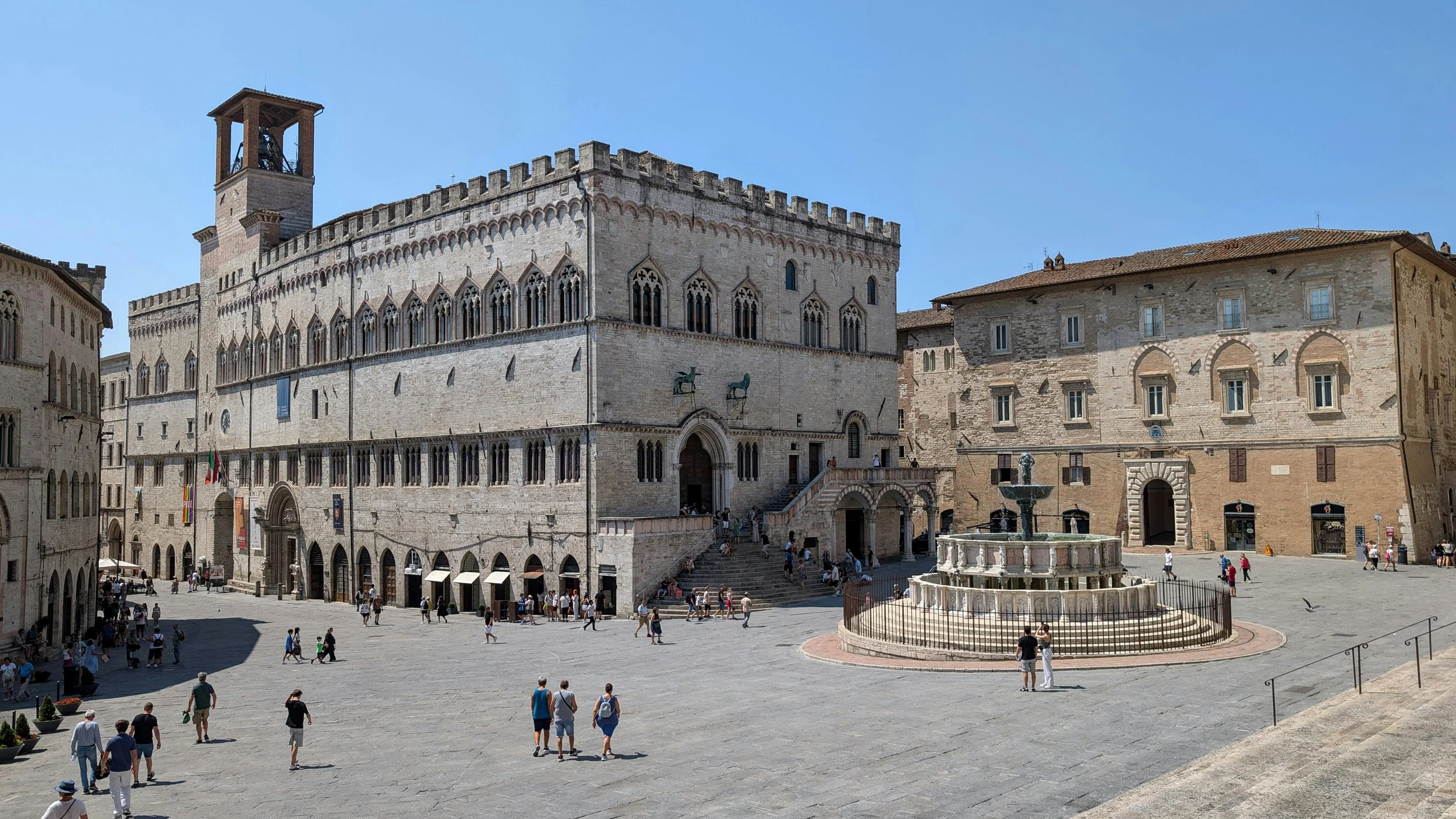
Italy offers foreign retirees a 7% flat tax on all foreign-source income for up to ten years if they relocate to qualifying municipalities in southern Italy. Law 34/2026, effective April 2026, expanded the eligible towns to include populations up to 30,000 inhabitants, adding 74 new locations with real infrastructure. Here is what the system actually requires and who genuinely qualifies.
Italy Residency in 2026: What Has Changed and What the System Actually Requires Now
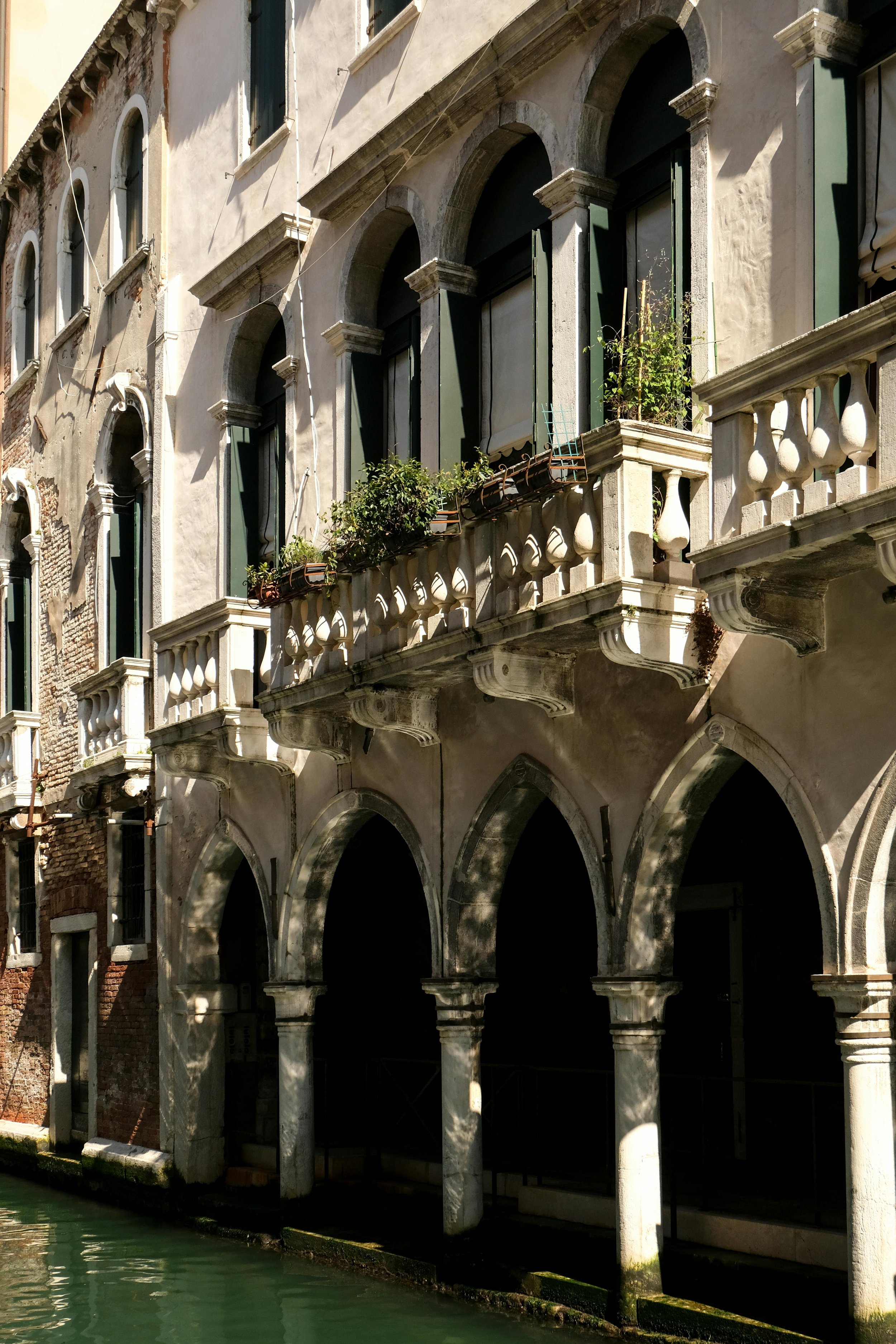
Italy's residency and citizenship landscape changed more in 2025 and 2026 than in the previous decade combined. The Tajani Decree restricted citizenship by descent to two generations, the flat tax for new residents rose to €300,000 annually, and the Digital Nomad Visa is now operational. Here is what each pathway actually requires now and what most guides still have wrong.
Germany vs Spain: Which Is Easier to Get Residency In?
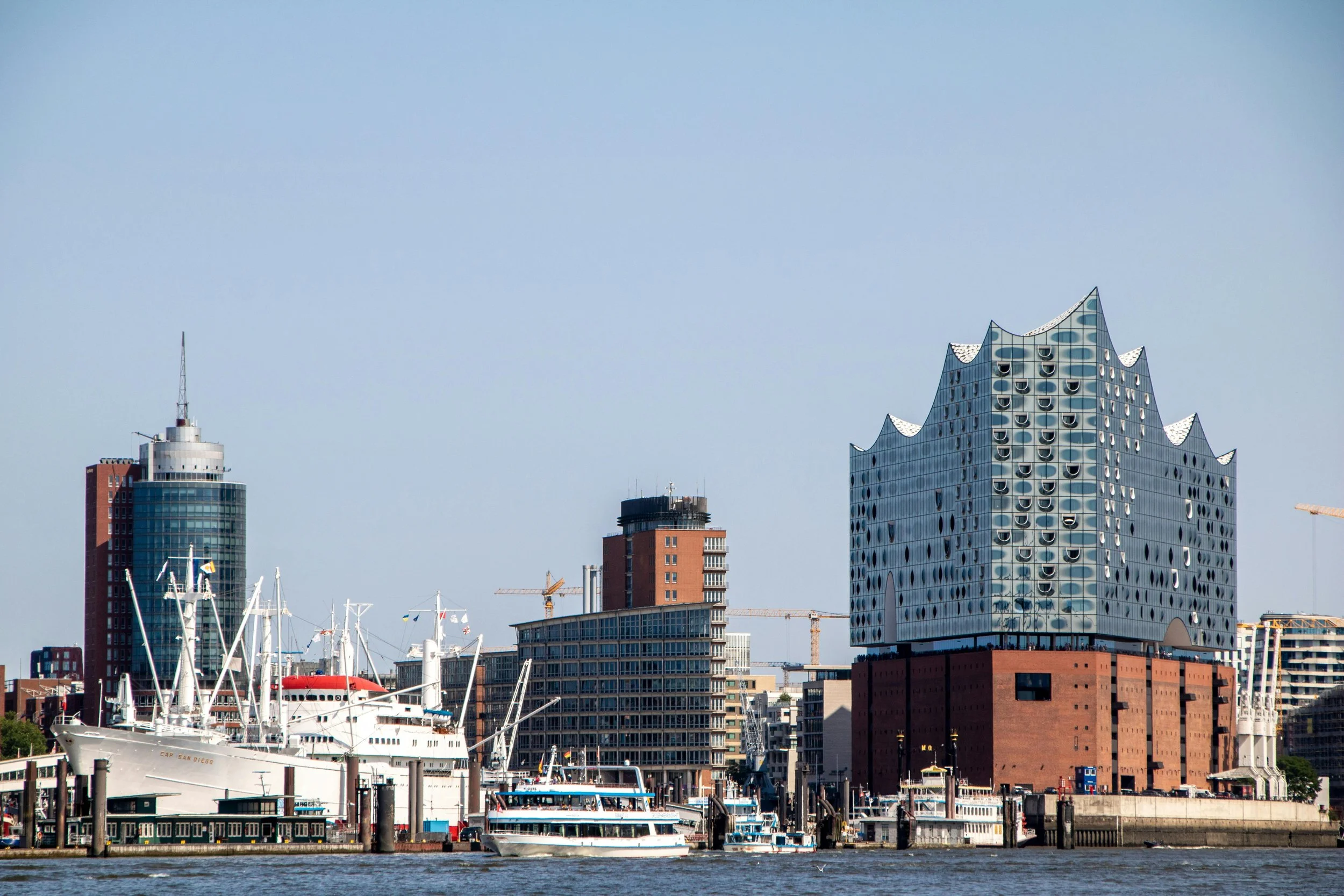
Germany and Spain are the two largest immigration destinations in the EU but they are built for entirely different applicant profiles. Germany requires qualifications, employer sponsorship, and salary thresholds. Spain offers passive income, digital nomad, and employer-sponsored routes with no points test. Choosing between them without understanding that structural difference is one of the most common planning errors in this space.

Germany vs Portugal: Which Is Easier to Get Residency In?
Germany and Portugal both appear on every European residency shortlist but they are built for entirely different applicant profiles. Germany requires qualifications, a job offer, and a salary meeting defined thresholds. Portugal requires passive income and the willingness to genuinely live there. Choosing between them without understanding that structural difference is one of the most common planning errors in this space.

Germany Skilled Worker Visa 2026: How the System Actually Works
Germany's employed work visa framework is not a single instrument. It operates through three distinct permits depending on whether your qualification is vocational or academic and whether your salary meets the EU Blue Card threshold. The route you take determines not just your visa type but how quickly you can reach permanent residency. Here is what the system actually requires in 2026.

Can I Move to Germany Without a Job Offer? What the System Actually Requires
Germany offers two distinct pathways for moving without a confirmed job offer, and they serve entirely different applicant profiles. The Opportunity Card is for qualified professionals arriving from abroad. The Job Seeker Visa is exclusively for graduates of German universities. Choosing the wrong one is not just a planning error — for most applicants, only one of them is legally available at all.

Germany Opportunity Card 2026: What It Is and What It Actually Requires
Germany's Opportunity Card allows non-EU nationals to enter the country without a job offer and search for skilled employment for up to twelve months. It operates through two routes and a points system that most online guides oversimplify. Here is what the system actually requires in 2026, what the points are worth, and what the card does and does not allow you to do while you are searching.

Australia: Healthcare, Medicare, and the Logic of Visa-Based Eligibility
Medicare access in Australia depends entirely on your visa status, and the difference between what temporary and permanent residents receive is one of the most consequential practical gaps in the migration experience. Skills in Demand visa holders cannot access Medicare and must maintain private health insurance under Visa Condition 8501. Here is how the system actually works across each stage of the residency pathway.

Employer Sponsorship in Australia: How the 482 to Permanent Residency Pathway Actually Works in 2026
Australia has positioned employer sponsorship as its preferred route to permanent residency, and the system has changed significantly since 2024. The former Temporary Skill Shortage visa is now the Skills in Demand visa, the transition to permanent residency through the 186 has dropped from three years to two, and workers who leave their sponsor now have 180 days to find a new one. Here is what the pathway actually requires and what most articles still get wrong.

Australia vs New Zealand: Which Is Easier to Get Residency In?
Australia and New Zealand both run points-based skilled migration systems, but they are not comparable in how they select applicants. Australia caps most pathways at age 45, requires no job offer for its independent stream, and now favours employer sponsorship above all else. New Zealand allows applicants up to 55, requires skilled employment at the time of application, and from August 2026 introduces new pathways specifically for trades and experienced workers without degrees.

Australia vs Europe: Which Is Easier to Get Residency In?
Australia and Europe appear on the same shortlists constantly, but they are not comparable systems. Australia selects on skills, age, and points. Europe's most accessible pathways select on income and financial independence. Which one is easier depends entirely on what kind of applicant you are.

Australian Residency in 2026: Which Visa Routes Still Work After the Reforms
Australia has rewritten its skilled migration program and the routes most guides still recommend are no longer the routes that work in 2026. The Subclass 189 now operates on quarterly invitation rounds with cutoff scores that exclude most professional occupations. Here is what the system actually accepts today, and what most online guides still get wrong.

Can I Retire in Croatia on a Pension? What the System Actually Requires
Croatia has no dedicated retirement visa — but it does have a clear legal pathway for pensioners who want to retire on the Adriatic. Here is what the system actually requires in 2026, and what most retirement guides get wrong.

Can I Live on Passive Income in Croatia? What the System Actually Requires
Croatia's residence permit for financially independent persons is one of Europe's least discussed pathways — and one of its most accessible. Here is what it actually requires in 2026, and how it differs from the Digital Nomad Visa.

Croatia OIB: What It Is and Why Every Foreigner Needs One
The OIB is Croatia's universal personal identification number — and without it, almost nothing works administratively or financially in the country. Here is what it is, why you need one, and exactly how to get it as a foreigner.
Croatia Digital Nomad Visa 2026: What the System Actually Requires
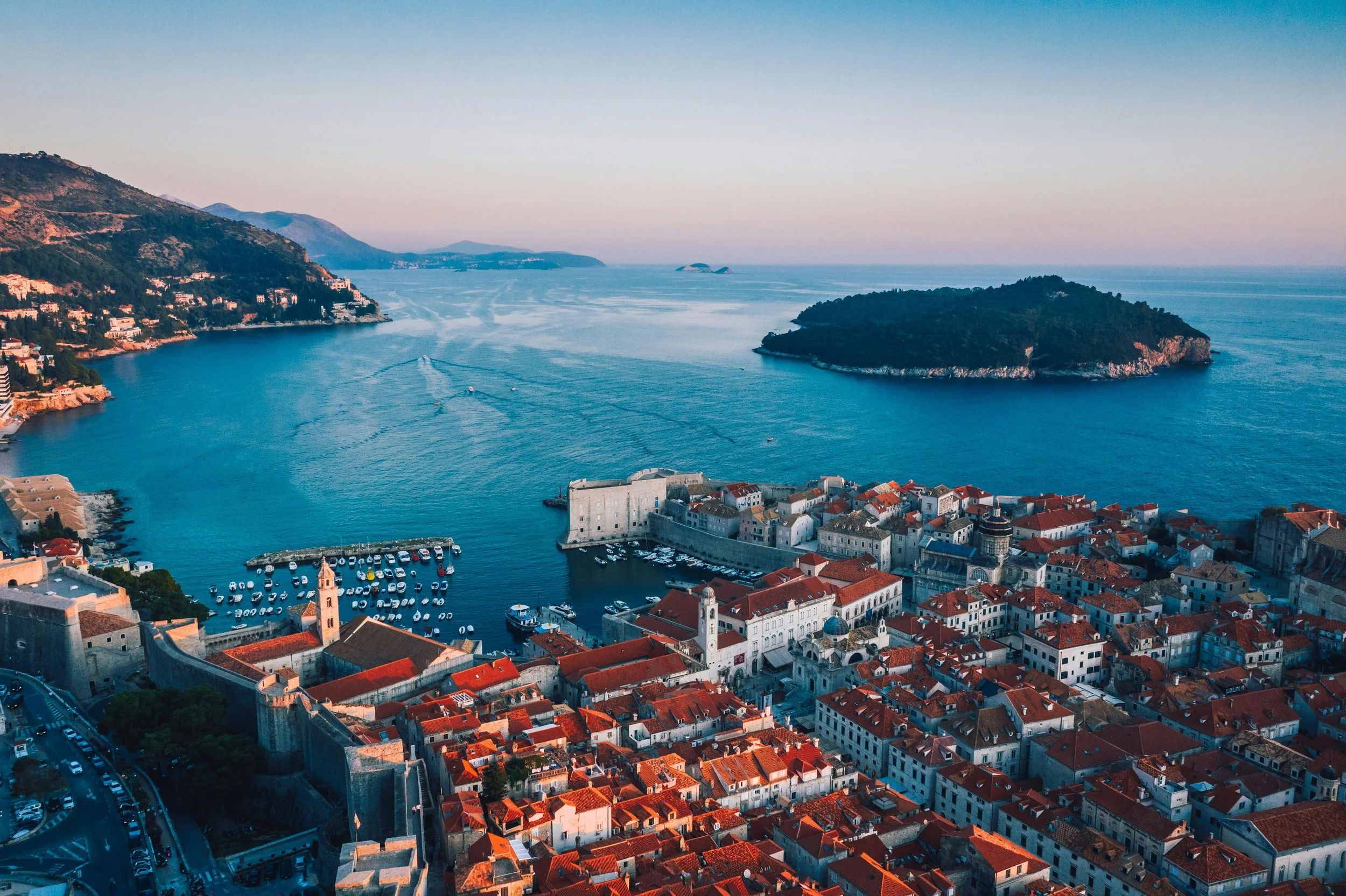
Croatia's Digital Nomad Visa is one of Europe's most searched remote work permits — but the system is more specific than most guides suggest. Here is what it actually requires in 2026, including what changed recently.

Can I Retire in Hungary on a Pension? What the System Actually Requires
Hungary is one of Europe's most affordable retirement destinations — but the legal pathway depends entirely on your nationality. Here is what the system actually requires in 2026, and what changed that most articles still haven't caught up with.
Can I Live on Passive Income in Malta? What the System Actually Requires
Malta offers non-EU nationals two distinct pathways for living on passive income — but they serve different purposes and carry very different obligations. Here is what each one actually requires in 2026.