

Can I Live on Passive Income in Greece? What the System Actually Requires
Greece's Financially Independent Person Visa offers non-EU nationals a path to residency without working — but the income threshold and physical presence requirements make it a more demanding system than most guides suggest.

Can I Live on Passive Income in Portugal? What the System Actually Requires
Portugal's D7 Visa is one of Europe's most accessible pathways for passive income earners — but the system requires more than the income threshold suggests. Here is what it actually requires in 2026.

Can I Live on Passive Income in Spain? What the System Actually Requires
Spain allows non-EU nationals to live on passive income through the Non-Lucrative Visa — but the system is more demanding than most guides suggest. Here is what it actually requires in 2026.

Malta vs Greece: Which Country Is Easier to Get Residency In?
Malta and Greece both offer EU residency by investment, but through fundamentally different structures. Here is what each system actually requires in 2026 — and what changed recently that affects serious investors.

Spain vs Greece: Which Country Is Easier to Get Residency In?
Spain and Greece are two of the most searched destinations for European residency, but their systems work very differently. Here is what each one actually requires in 2026 — and what changed recently that affects your decision.
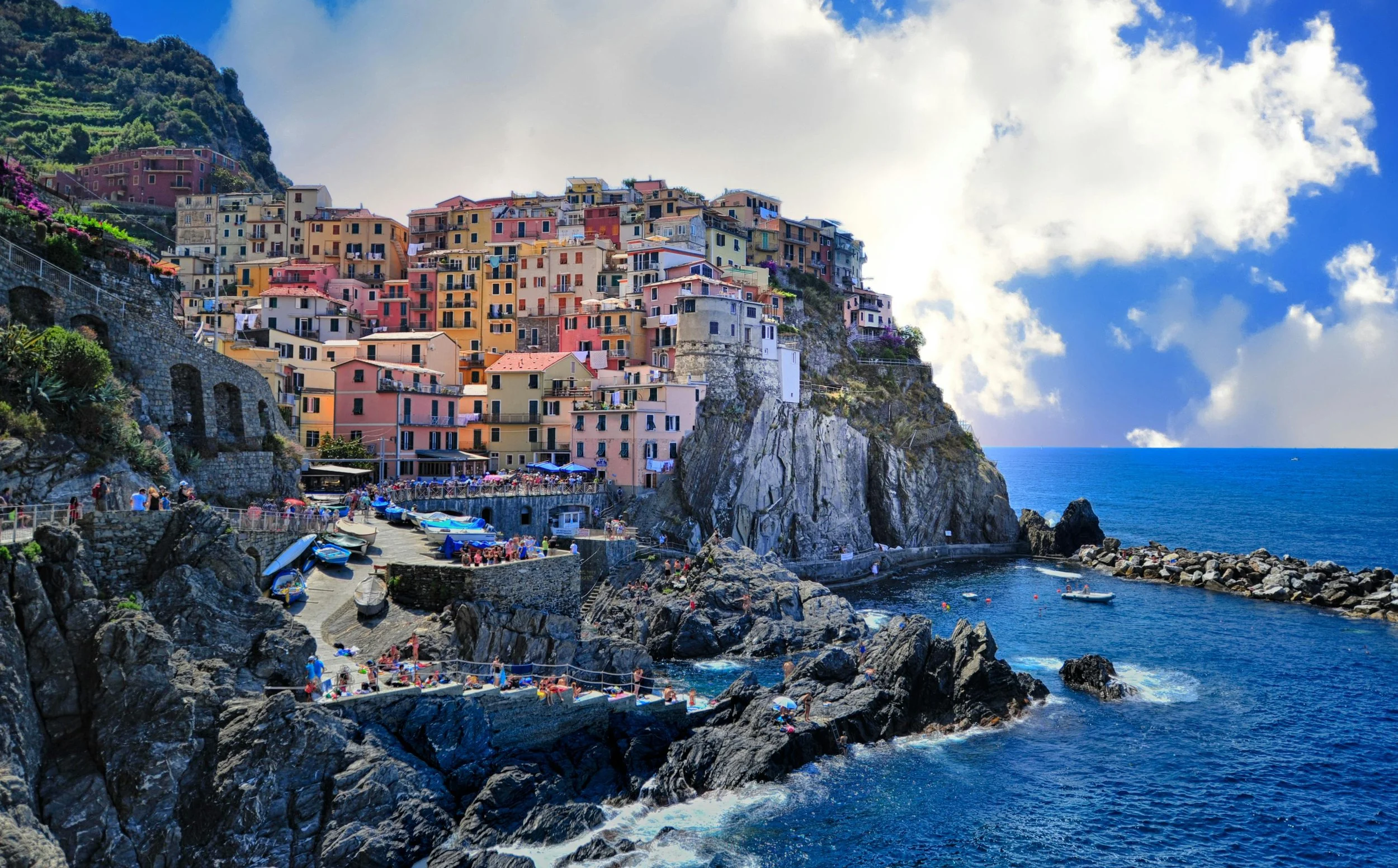
Portugal vs Greece: Which Country Is Easier to Get Residency In?
Portugal and Greece both attract globally mobile individuals, but their residency systems operate through different institutional logics. Here is what each one actually requires in 2026 — and what changed recently that affects your decision.
Portugal vs Spain: Which Country Is Easier to Get Residency In?
Portugal and Spain share a border and a language family, but their residency systems operate through different logics. Here is what each one actually requires in 2026 — and what changed recently that affects your decision.
Portugal vs Malta: Which Country Is Easier to Get Residency In?
Portugal and Malta both offer EU residency, but they operate through fundamentally different systems. Here is what each one actually requires in 2026 — and what changed recently that affects your decision.

Why “Perfect Documents” Still Get Visa Rejected
Why visa applications get rejected despite perfect documents: immigration officers assess credibility, financial stability, and intent—not just paperwork. Learn how Europe visa rejections happen even with complete documentation and what factors cause visa denials beyond document compliance.

Why Residency Applications Are Delayed - Even When Your Documents Are Complete
Why residency applications are delayed despite complete documents: processing delays start during document preparation, sequencing, and formatting. Learn how immigration systems evaluate residency permits in Europe, what causes preventable application delays, and how to reduce processing time before submitting your residency application.

Why Everyday Life in Europe Is Harder Than the Visa Process
Why daily life in Europe is harder than getting a visa: bureaucracy, language barriers, banking restrictions, and housing systems create friction that visa processes don't prepare you for. Learn what makes everyday life in Europe difficult for newcomers and how immigration systems hide practical challenges that only appear after arrival.

What to Do in the First 30 Days After Moving to Europe
The first 30 days after moving to Europe determine how smoothly the residency, banking, and healthcare setup proceed. Learn what newcomers must do immediately after arrival in Europe, why timing affects bank accounts and tax numbers, and how to avoid administrative delays that compound over time.

Education & University Access – Germany (SHADi Associates Blog Series)
How Germany's university admissions work for international students: centralized applications, APS requirements, visa procedures, and housing challenges that affect enrollment outcomes. Learn what international students need for studying in Germany, how university admissions are evaluated, and why German degrees are recognized worldwide.

Education & University Access – Australia (SHADi Associates Blog Series)
How Australia's university admissions work for international students: visa requirements, English language tests, tuition costs, and post-study work pathways. Learn what international students need for studying in Australia, how Australian university admissions are evaluated, and why Australian degrees are recognized globally.

Education & University Access – Italy (SHADi Associates Blog Series)
How Italy's university admissions work for international students: enrollment procedures, residence permits, language requirements, and bureaucratic challenges. Learn what international students need for studying in Italy, how Italian university admissions differ from other EU countries, and what practical obstacles affect enrollment.

Education & University Access – Portugal (SHADi Associates Blog Series)
How Portugal's university admissions work for international students: application procedures, English-taught programs, student visa requirements, and affordable tuition. Learn what international students need for studying in Portugal, how Portuguese university admissions are evaluated, and why Portugal offers accessible higher education for non-EU students.

Education & University Access – Spain (SHADi Associates Blog Series)
How Spain's university admissions work for international students: application procedures, regional differences, student visa requirements, and tuition costs. Learn what international students need for studying in Spain, how Spanish university admissions vary by region, and why Spain offers diverse higher education options for non-EU students.

Mobility & Public Transportation – Hungary (SHADi Associates Blog Series)
How Hungary's public transportation works: Budapest metro, trams, buses, and rail network reflecting centralized administrative structure. Learn what makes Hungarian mobility predictable and affordable, how transport infrastructure reveals state organization, and why Hungary's public transit system prioritizes efficiency in a tightly controlled state.

Mobility & Public Transportation – Greece (SHADi Associates Blog Series)
How Greece's public transportation works: ferries, intercity buses, metro, and air links reflecting geographic fragmentation. Learn what makes Greek mobility flexible yet inconsistent, how transport infrastructure adapts to island geography, and why Greece's mobility network sustains national continuity through layered adaptive systems.

Mobility & Public Transportation – Malta (SHADi Associates Blog Series)
How Malta's public transportation works: single operator, one system, seamless ferry integration reflecting compact geography and centralized efficiency. Learn what makes Maltese mobility simple and predictable, how small state geography enables unified transport, and why Malta's mobility system maintains clarity through administrative simplicity.